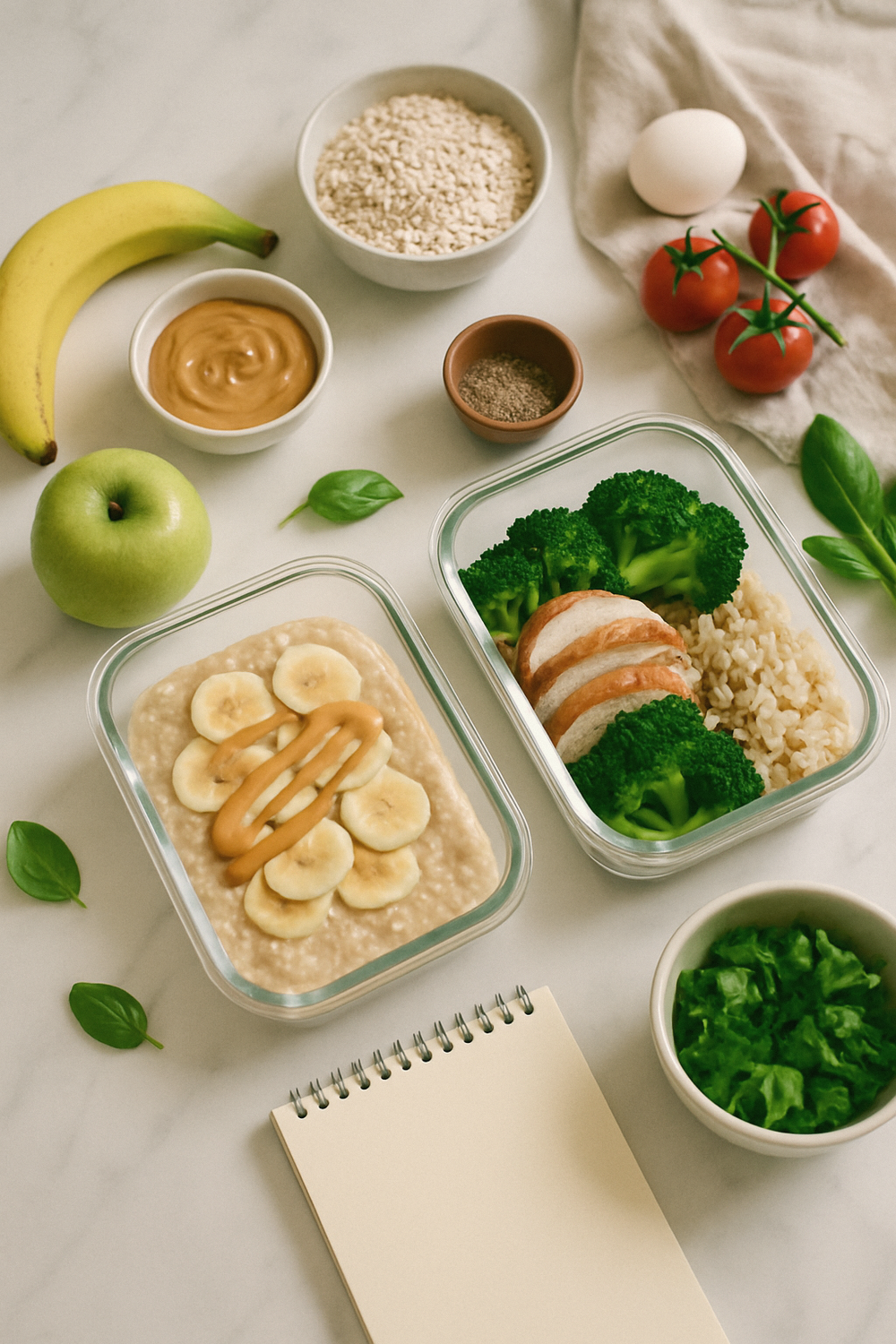
Ask around and you will get two confident answers. One group treats the meal before exercise as the important one, because that is the fuel you are about to spend. The other treats the meal after as the one that counts, because that is when your body is repairing what you just did. Both groups tend to be slightly dismissive of the other.
The frustrating thing is that both are right about their own half and wrong about the comparison. These two meals are answering different questions, and the honest answer to which one matters more depends entirely on what has been going wrong for you. That is a less satisfying answer than a rule, but it is the one that will actually change something, so it is worth looking at each side properly before deciding where to put your attention.
The case for eating before
What you eat beforehand decides what the session is capable of. Turn up underfed and everything gets harder in ways that are easy to misread as being unfit or unmotivated. You get through fewer sets, you stop earlier, the last ten minutes feel like a negotiation, and you go home thinking you had a bad day rather than an under-supplied one.
This is the part most people skip, and the plan treats it as significant enough to deserve its own phase. The second phase of Wellbody's Learn to Fuel for Performance goal runs eight to twelve weeks and is given entirely to pre-workout eating: designing a meal plan for before exercise, testing different combinations, adding a mid-session energy strategy for longer efforts, and then honestly comparing how the sessions went. It is treated as an experiment with your own body rather than a rule you look up.
The case for eating after
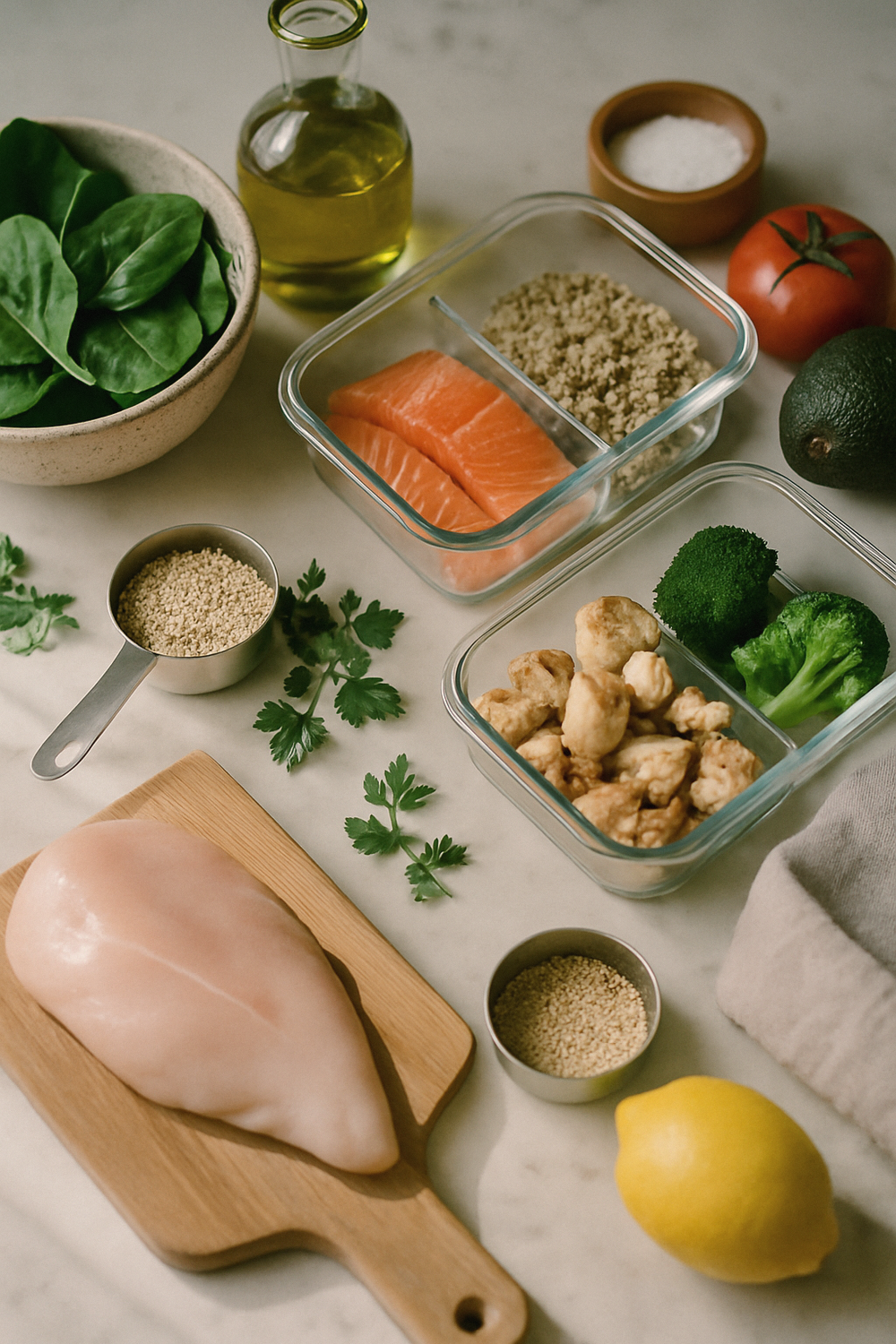
The meal afterwards is not about the session you just did. It is about the next one. Exercise creates a repair job, and repair needs materials: protein for the tissue, carbohydrate to replace what you burned, fluid for what you sweated out. Skip it consistently and the effect shows up later as soreness that lingers, sessions that feel flat for no obvious reason, and progress that stalls while your effort stays the same.
The plan gives this the longest run of any part of the process. Phase three lasts three to six months and is dedicated to recovery nutrition alone: building a personalised recovery meal that includes protein, carbohydrates and fats, trying different recovery snacks to find ones you will actually reach for, and building a small toolkit of quick recipes so that a good decision does not depend on having the energy to cook. It also asks you to track how recovery felt after different approaches and to keep a short reflective record across the phase, which is a deliberate choice. Post-workout eating is the area where people are most likely to follow generic advice for years without ever checking whether it is doing anything for them.
Where the before-or-after debate misses the point
The comparison assumes these two meals are competing for the same job, and they are not. Eating before is a performance decision, made in a window of a few hours, and its effect is visible the same day. Eating after is a recovery decision whose effect only becomes visible across weeks. Ranking them is like arguing about whether petrol matters more than servicing. And in practice, one of them is almost always your actual problem, so the useful move is to find out which.
Wellbody builds the system for you.
3 daily actions across fitness, nutrition, mobility, recovery, and mindfulness.


If your workouts feel weak, the meal before is your problem. If your workouts feel fine but nothing is improving, the meal after is. The debate stays unresolved because people keep answering it in general rather than about themselves.
What a structured plan does with the order
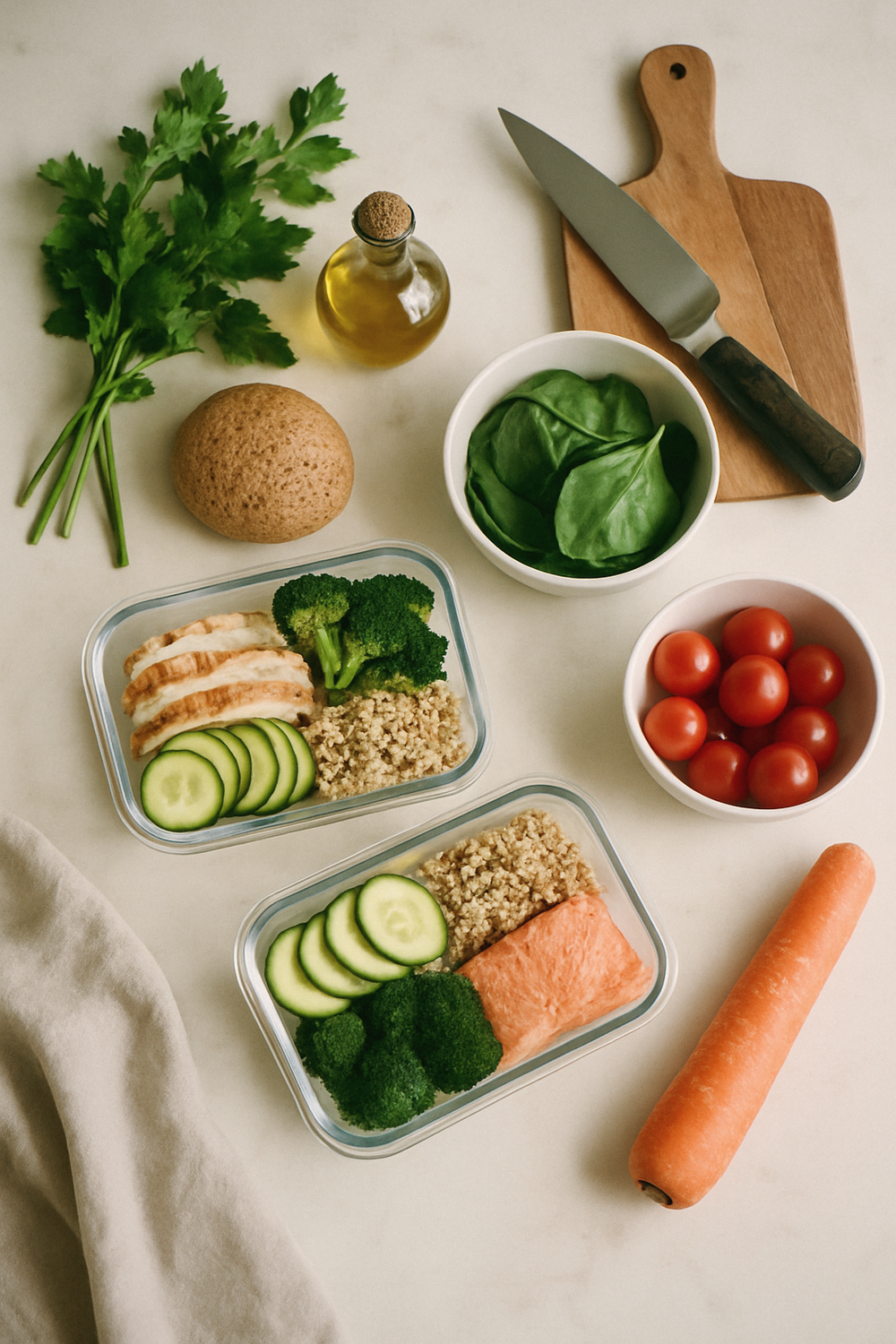
Notice that the plan does not start with either one. Its first phase runs four to eight weeks and is spent on groundwork: understanding what carbohydrates, proteins and fats actually do, building a hydration plan matched to your own activity level and conditions, putting together a simple weekly meal plan, and keeping a food diary for one week. That last item is the point. You cannot sensibly adjust the timing of meals you have never looked at.
Only then does the sequence run pre-workout, then post-workout, then fine-tuning across a final three to six months. The first sample week is a good picture of the texture of this work: it is themed The Blueprint, Ingredient Gathering, Cooking Day and Reflection and Adjustment, with actions like Map Your Meals, Nutrient Timing, Meal Prep Session and a Sleep and Recovery Check-in. It looks much more like planning and shopping than like nutrition science, because that is what makes it hold.
How to answer this for yourself
For one week, write down what you ate before and after each session and how each session felt, along with how you felt the following day. Weak sessions point backwards to the meal before. Fine sessions with no progress and stubborn soreness point forwards to the meal after and to the seven to eight hours of sleep the plan lists as a recovery dependency. Fix the one your own notes point at, leave the other alone for now, and let the answer come from your week rather than from somebody else's. Three actions a day, no gym required, is enough to run that experiment properly.
About Wellbody
Wellbody is a body health app that replaces the stack. Pick one goal and it builds three daily actions across fitness, nutrition, mobility, recovery and mindfulness, then adjusts them around what you actually did. Connected behind the scenes so you don't have to manage the pieces, and it grows with you: month six looks nothing like month one. No dashboards, no re-planning. You just keep showing up.