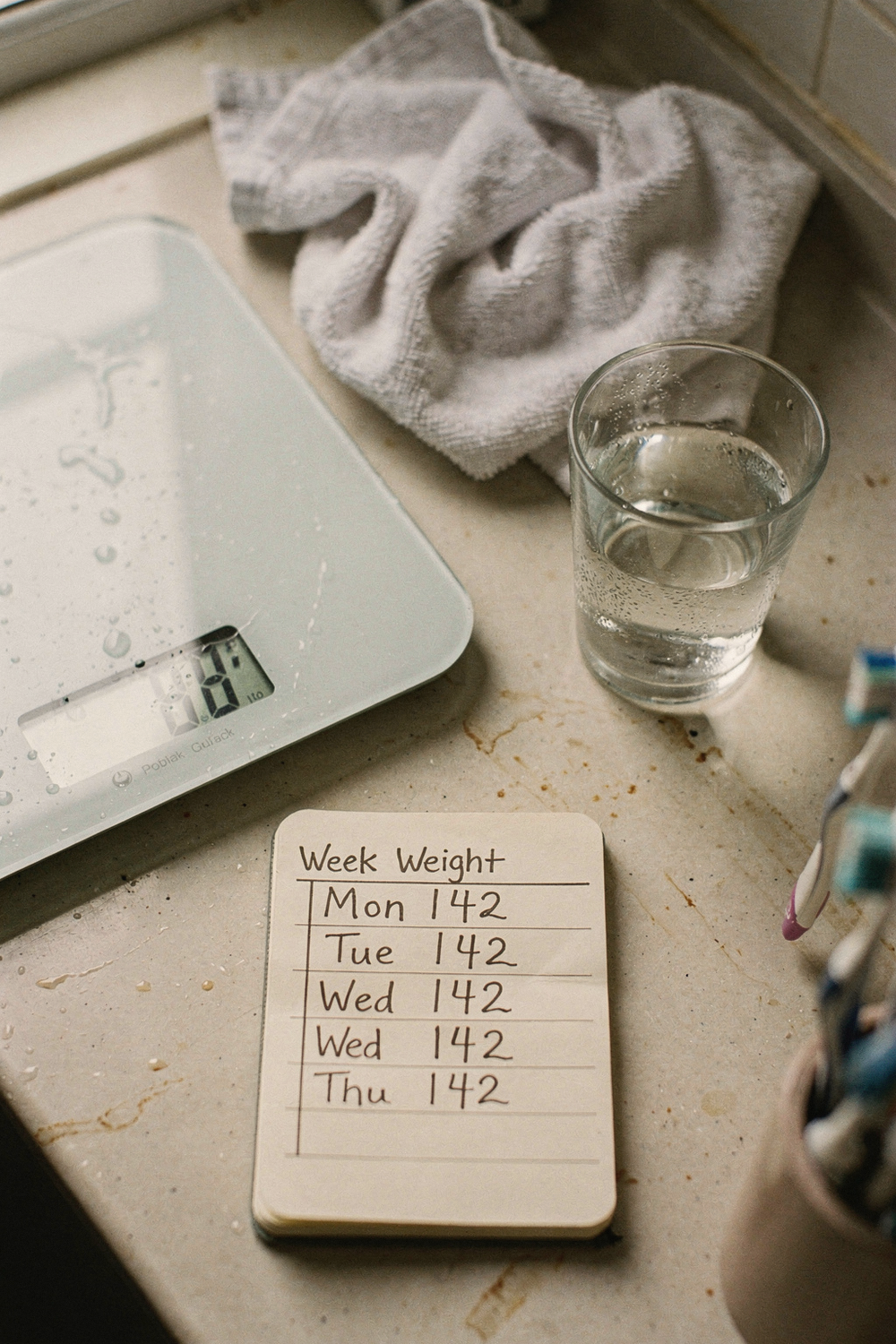
Everyone has advice for starting a diet. Drink more water. Cut the carbs. Download a calorie tracker. The internet is drowning in week-one content.
But nobody writes about month 3.
Month 3 is where the excitement has worn off. The scale has stalled or started bouncing around. The people who congratulated you in January have stopped asking about your progress. You are no longer running on motivation. You are running on whatever you actually built during the first two months.
Most wellness apps don't have an answer for this. Their plans are 30 days long. When the plan ends, you are on your own. Wellbody's weight loss path doesn't end at 30 days. It's just getting to the interesting part.
Here is what a real week looks like in month 3, day by day.
First, some context: what already happened
In Phase 1, you spent weeks building awareness - food diaries, portion control, hydration habits. No exercise. No meal plans. Just observation. In Phase 2, you started building balanced meals, batch cooking, and learning to read nutrition labels. By now, those foundations are automatic. You don't think about drinking water or logging your food. You just do it.
Phase 3 introduces something entirely new: physical activity. Not because you needed it from day one, but because your nutrition base is finally solid enough to support it. This is the phase called "Incorporating Physical Activity," and it's designed to run for 3 to 6 months. The week we are walking through is the very first week of this phase.
Day 1 - "Kickoff Your Routine"
Your first action is a Wellness reflection: "Set Your Intentions." Not a workout. Not a run. A reflection on what you actually want this new phase to look like. The system is asking you to think before you move.
The second action is Nutrition: "Hydration Check." This is not new to you. You have been hydrating for two months. But the system reintroduces it here because hydration matters differently when you are about to start exercising. Same habit, new context.
The third action is where things shift. It's a Fitness action: "Schedule Your Sessions." You open your calendar and block time for five 30-minute workouts across the week. This is the first time the system has asked you to treat exercise like an appointment, and it's deliberate. You are not told to go run. You are told to plan.
Day 2 - "Consistency in Motion"
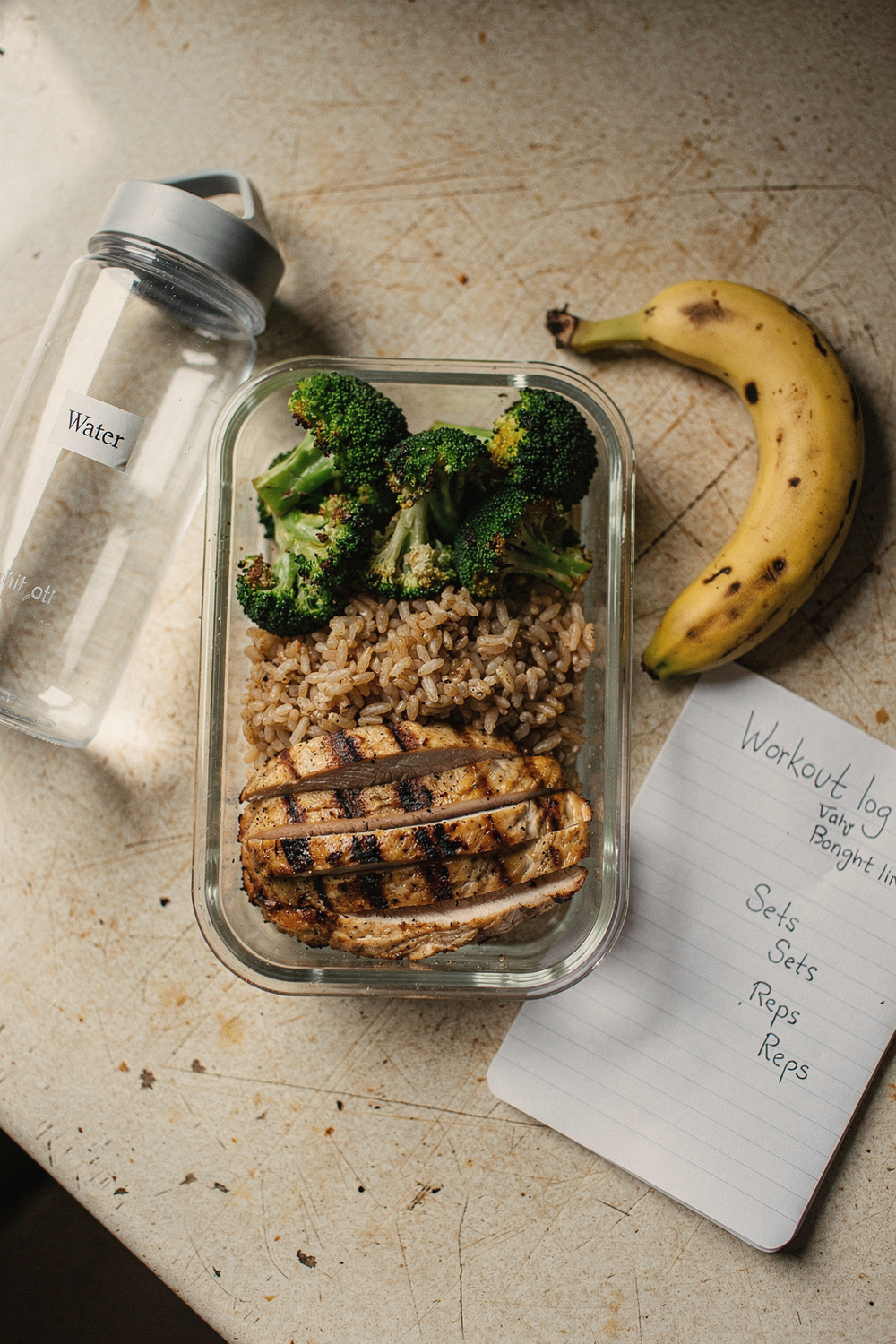
Now you move. Your first action is Fitness: "Today's Workout: Cardio" - a 30-minute moderate-intensity session. Not high-intensity. Not a bootcamp. The system starts with the kind of movement you can actually sustain.
The second action is Wellness: "Log Your Activity." Track what you did. How long. How it felt. The same observation skills you built in Phase 1 with food are now being applied to movement. The third action is Nutrition: "Nutrition Boost" - a post-workout meal focused on protein and carbs for recovery. Notice how the system connects exercise to eating. These are not separate tracks. They are one system.
Day 3 - "Strength and Stability"
Three Fitness and Recovery actions today. "Prepare for Strength Training" gets you set up. "Strength Session: Full Body" is the actual workout - squats, push-ups, rows. And then something most plans skip entirely: "Stretch and Recover." A dedicated Recovery action. Not optional. Not a footnote. A full action with the same weight as the workout itself.
This is where Wellbody's body health approach becomes visible. Recovery is not an afterthought. It is built into the structure of the week from the very first time you pick up a weight.
Day 4 - "Active Recovery"
You just did two days of exercise. A typical wellness app would push you into day three. Wellbody gives you an active recovery day instead.
The first action is Recovery: "Gentle Movement" - light walking or yoga. The second is Wellness: "Reflect on Progress." How are the workouts making you feel? Not what are your numbers. How do you feel? The third is Nutrition: "Nutrition Focus" - keeping meals balanced on a day when you are not burning as much energy.
Four days in and the system has already touched four different domains: Fitness, Nutrition, Wellness, and Recovery. This is what body health looks like in practice. Not a single-track program, but a coordinated system where each domain supports the others.
Wellbody builds the system for you.
3 daily actions across fitness, nutrition, mobility, recovery, and mindfulness.


Days 5-6 - "Strength Gains" and "Cardio Challenge"
The back half of the week builds on everything so far. Day 5 is upper body strength with a Wellness action on form awareness and a Nutrition action on post-workout refueling. Day 6 is another cardio session, but with a subtle increase in intensity - the system is asking you to push slightly beyond where you started on Day 2.
Day 6 also introduces something new: a "Social Support" action. Consider inviting a friend to work out with you. The system knows that by day 6, the novelty has faded. The solution is not another motivational quote. It is a structural change to your environment.

In Phase 3, Week 1, Wellbody delivers 21 actions across 7 days - spanning four domains: Fitness (6 actions), Wellness (7 actions), Nutrition (4 actions), and Recovery (3 actions). Compare that to Phase 1, Week 1, which was entirely Nutrition and Wellness. The system didn't just add exercise. It expanded the entire support structure around it.
Day 7 - "Reflection and Planning"
No workout. The final day is entirely Wellness and Recovery. "Weekly Review" asks you to reflect on what worked and what didn't. "Prepare for Next Week" turns those reflections into adjustments for the week ahead. "Rest and Recover" makes the case for 7 to 9 hours of sleep - not as a nice-to-have, but as preparation for the next round.
If you have used other fitness apps, this day might feel unfamiliar. Most programs fill every day with output. Wellbody ends the week with input - review, adjust, rest. The system treats reflection as a skill, not a break.
Why month 3 is where it actually happens
Here is the thing about month 3 that nobody tells you: the scale plateau is not a failure. It is a signal that your body is adjusting to real, structural change. And if your system is built right, month 3 is where surface-level motivation gets replaced by something more durable - routine.
Look at what this single week contains. Cardio, strength training, active recovery, post-workout nutrition, activity logging, social support, weekly reflection. None of these are new concepts. But they are layered on top of two months of nutritional habits that are already running in the background. That layering is the whole point.
A 30-day challenge gives you 30 days at the same altitude. A phased system gives you a foundation in month 1, a structure in month 2, and a new gear in month 3. The person doing this week is not the same person who started a food diary 12 weeks ago. They have different skills. Different capacity. And a different relationship with what body health actually requires.
What comes next
Week 2 of Phase 3 introduces new types of exercise to keep things interesting. Week 3 adds specific, measurable fitness goals. By the middle of this phase, you are building endurance and adjusting your nutrition to match your increasing activity levels. And by Phase 4, the system shifts to advanced nutrition strategies - mindful eating, meal prepping for busy weeks, and navigating social situations without abandoning your habits.
Month 3 is not where weight loss gets boring. It is where it gets real. And the difference between people who make it through and people who don't is rarely willpower. It is whether their system was built for the long middle - not just the exciting start.
About Wellbody
Wellbody is a body health app that replaces the stack. Pick one goal and it builds three daily actions across fitness, nutrition, mobility, recovery and mindfulness, then adjusts them around what you actually did. Connected behind the scenes so you don't have to manage the pieces, and it grows with you: month six looks nothing like month one. No dashboards, no re-planning. You just keep showing up.