
When people hear managing chronic pain through movement, they picture exercise. Stretching. Physical therapy. Maybe yoga. And movement is part of it. But when you map the full system that chronic pain management requires, movement is one of five domains working simultaneously, and it is not even the one that starts first.
Movement: the visible domain
Movement is the domain people see. In the first week, it shows up as gentle stretching, body awareness exercises, and joint mobility work. Seven Fitness actions across seven days, all tagged as mandatory. This is the core practice.
But notice how it starts. Phase 1 is called Introduction to Movement and Pain Awareness. Not Introduction to Exercise. The key activities include daily gentle stretching routines and breathing exercises. The emphasis is on awareness and gentleness, not intensity. The system is teaching you to move without triggering pain before asking you to move through it.
By Phase 2, you are doing low-impact activities for 30 minutes, 3 to 5 times per week. By Phase 3, you have a structured weekly exercise plan incorporating strength, flexibility, and cardiovascular work. By Phase 4, you are designing your own personalized program. The progression takes over a year. That is not slow. That is safe.
Nutrition: the anti-inflammatory foundation
Six Nutrition actions appear in the first week alone. Mindful Hydration. Nourishing Choices. Hydration Reminder. Nutritional Support. The nutrition domain is not about weight management or performance. It is about inflammation.
The dependency data is specific: anti-inflammatory foods like omega-3s, antioxidants, and high-fiber choices. Hydration for muscle recovery and flexibility. These are not generic healthy eating guidelines. They are targeted nutritional interventions for someone living with chronic pain.
The Nourishing Choices action in Week 1 is rated difficulty 5, the highest in the entire week. That is not because cooking is hard. It is because changing what you eat when you are in pain takes real effort. The system acknowledges that difficulty instead of pretending it is simple.

Mindfulness: the pain awareness layer
Six Wellness actions appear in Week 1: Reflect on Tension. Mindful Moments. Journaling Insights. Create Calm. Mindful Reflection. Plan for Next Week. All optional. None require equipment. All build awareness.
The Phase 1 key activities include keeping a pain journal to track pain levels, triggers, and responses, and practicing mindfulness or meditation techniques daily. This is not relaxation for its own sake. It is data collection. The journal creates a feedback loop: you move, you eat, you sleep, you record how the pain responded. Over weeks, patterns emerge that no doctor visit can replicate.
Wellbody's chronic pain plan tracks mindfulness and pain journaling from Day 1 through Phase 4. The journal is not a wellness add-on. It is the feedback system that makes every other domain more effective. Without it, you are guessing. With it, you are learning your own body's pain language.
By Phase 3, the rationale explains it directly: mindfulness improves resilience and pain recognition without judgment. That last phrase matters. Chronic pain is not just physical. It is the story you tell yourself about the pain. Mindfulness changes the story without pretending the pain is not there.
Recovery: the invisible multiplier
Recovery in chronic pain management is different from recovery in fitness. It is not about bouncing back from a hard workout. It is about not making things worse.
In Week 1, the recovery dependency asks for 7 to 8 hours of sleep and rest combined with gentle movement. By Phase 2, it expands to include foam rolling, stretching, and active recovery days. By Phase 3, it adds self-massage and explicit rest day protocols. By Phase 4, recovery time after community service is flagged as a dependency.
That last detail is telling. The system is not just tracking physical recovery. It is tracking the energy cost of every activity and making sure there is a recovery line item for each one. Community service is rewarding, but it is also tiring when you live with chronic pain. The system knows that. Most programs do not.
Wellbody builds the system for you.
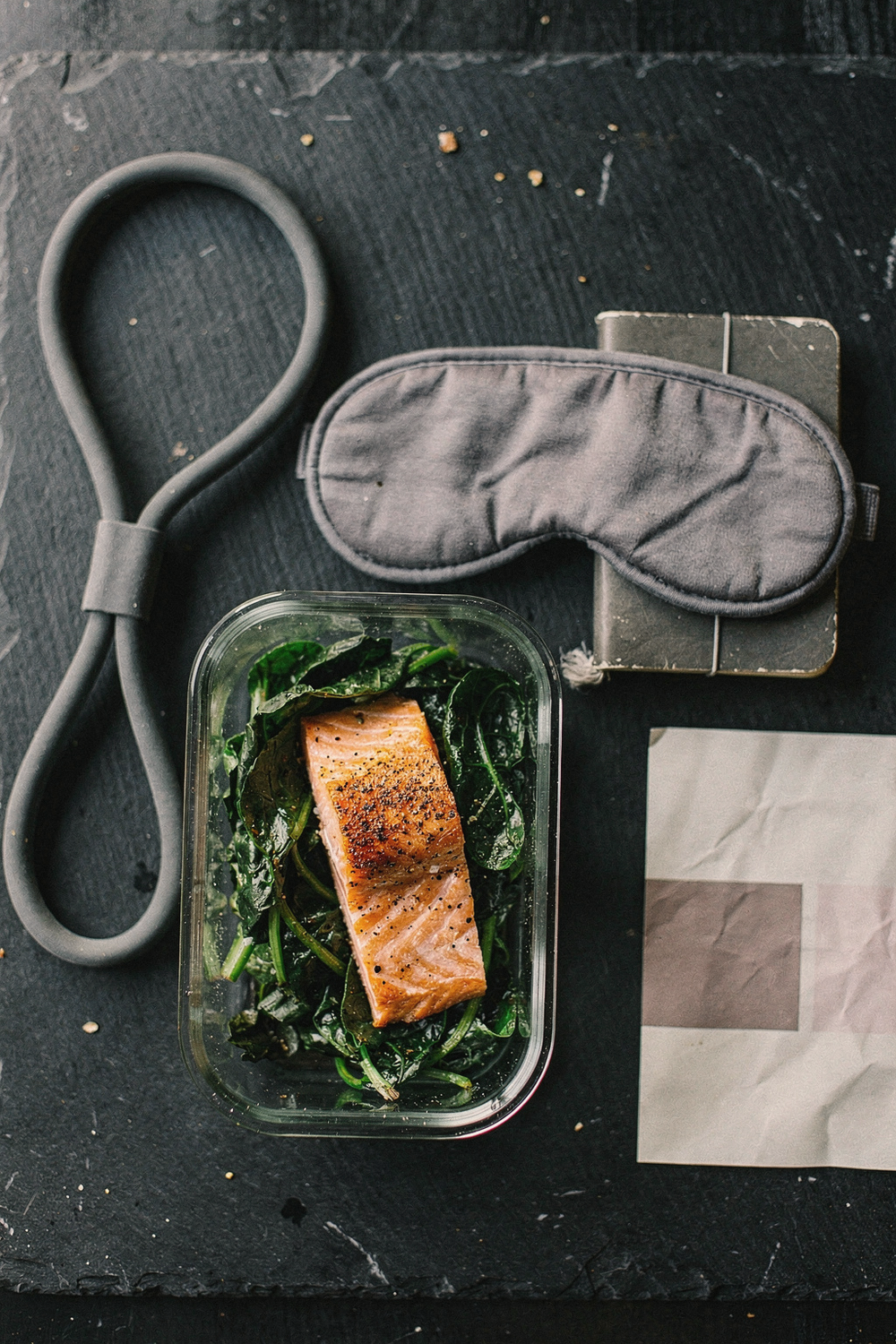
3 daily actions across fitness, nutrition, mobility, recovery, and mindfulness.


Community: the sustainability engine
Every single week across all four phases flags a social and environmental dependency. Phase 1 asks for a calming environment for stretching. Phase 2 recommends sharing insights with others on similar journeys. Phase 3 introduces group activities and workout partners. Phase 4 adds community feedback and peer accountability.
Chronic pain is isolating. The worse it gets, the more you withdraw. The more you withdraw, the less you move. The less you move, the worse the pain gets. Community support does not just feel good. It breaks the isolation cycle that makes chronic pain self-reinforcing.
How the domains connect
None of these five domains works alone. Anti-inflammatory nutrition reduces the baseline pain level, which makes movement more tolerable. Movement improves sleep quality, which enhances recovery. Mindfulness builds pain awareness, which prevents overexertion during movement. Recovery preserves the energy needed to maintain social connections. Community provides the accountability that keeps every other domain active.
This is not a circular argument. It is a circular system. Each domain supports the others, and the system collapses when you remove any one of them. That is why a stretching program alone does not work. That is why an anti-inflammatory diet alone does not work. Each one is necessary. None is sufficient.
Why most people only do half of it
Most chronic pain programs address one or two domains. Physical therapy handles movement. A nutritionist handles diet. A therapist handles the emotional layer. Each one works in isolation, which means each one is working with incomplete information.
The full system requires all five domains tracked together, progressing together, and informing each other. Week 1 has 21 actions across four domains. Not 21 exercises. Not 21 stretches. Twenty-one coordinated actions across movement, nutrition, mindfulness, and recovery, all feeding data back through the pain journal.
That is what managing chronic pain through movement actually requires. Not more movement. A system that makes movement possible.
About Wellbody
Wellbody is a body health app that replaces the stack. Pick one goal and it builds three daily actions across fitness, nutrition, mobility, recovery and mindfulness, then adjusts them around what you actually did. Connected behind the scenes so you don't have to manage the pieces, and it grows with you: month six looks nothing like month one. No dashboards, no re-planning. You just keep showing up.