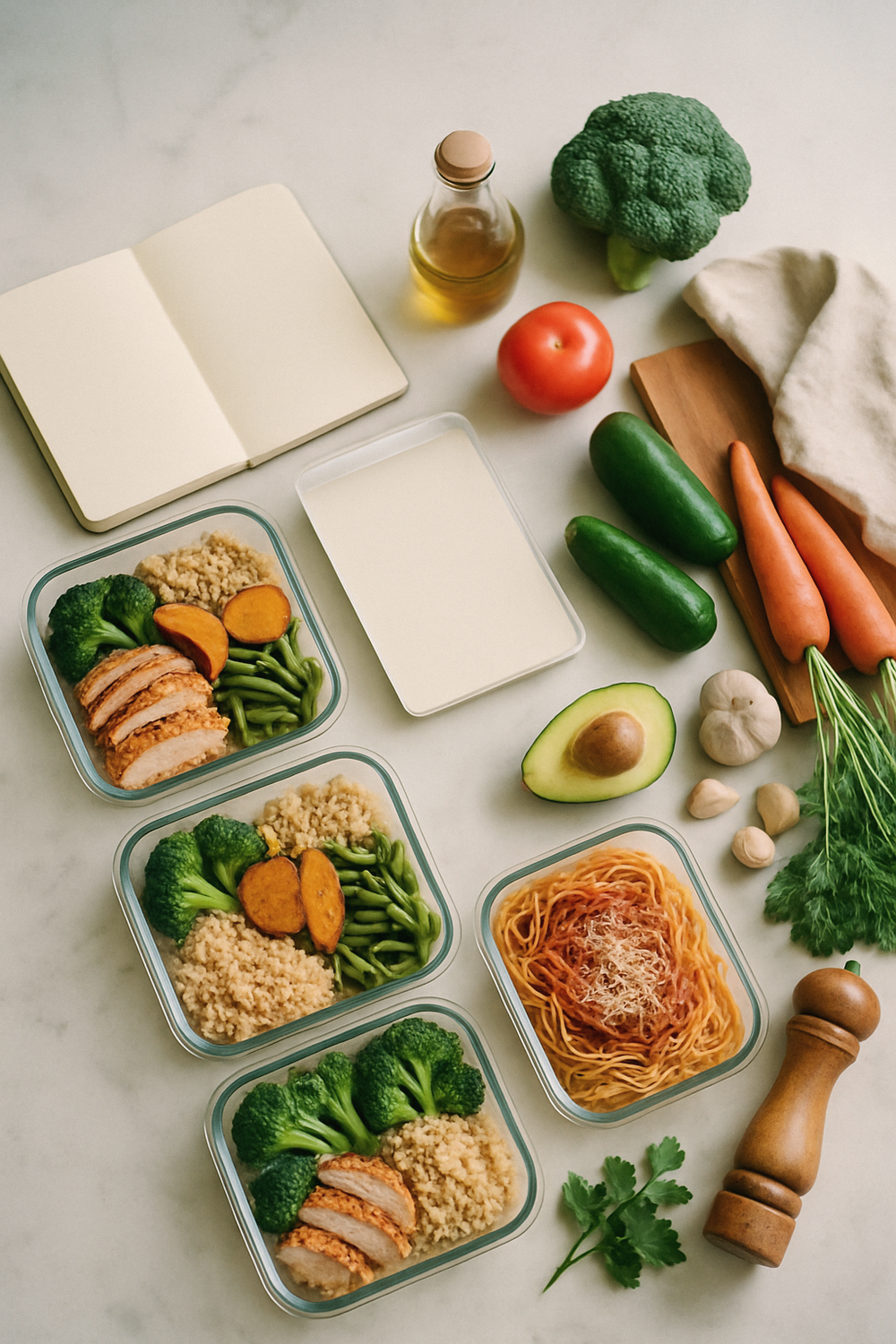
The question comes up every time someone decides to eat better. Do you cook a batch of food on Sunday and eat from it all week, or do you make something fresh each night? Both camps have people who swear by their method, and both camps have people who quietly gave up in week three.
The honest answer is that the two approaches have real and different strengths, and neither of them is the thing that decides whether you eat well. That gets settled earlier, before any pan comes out. Still, one of them probably suits your week better than the other, and working out which is worth about ten minutes of thought.
The case for meal prep
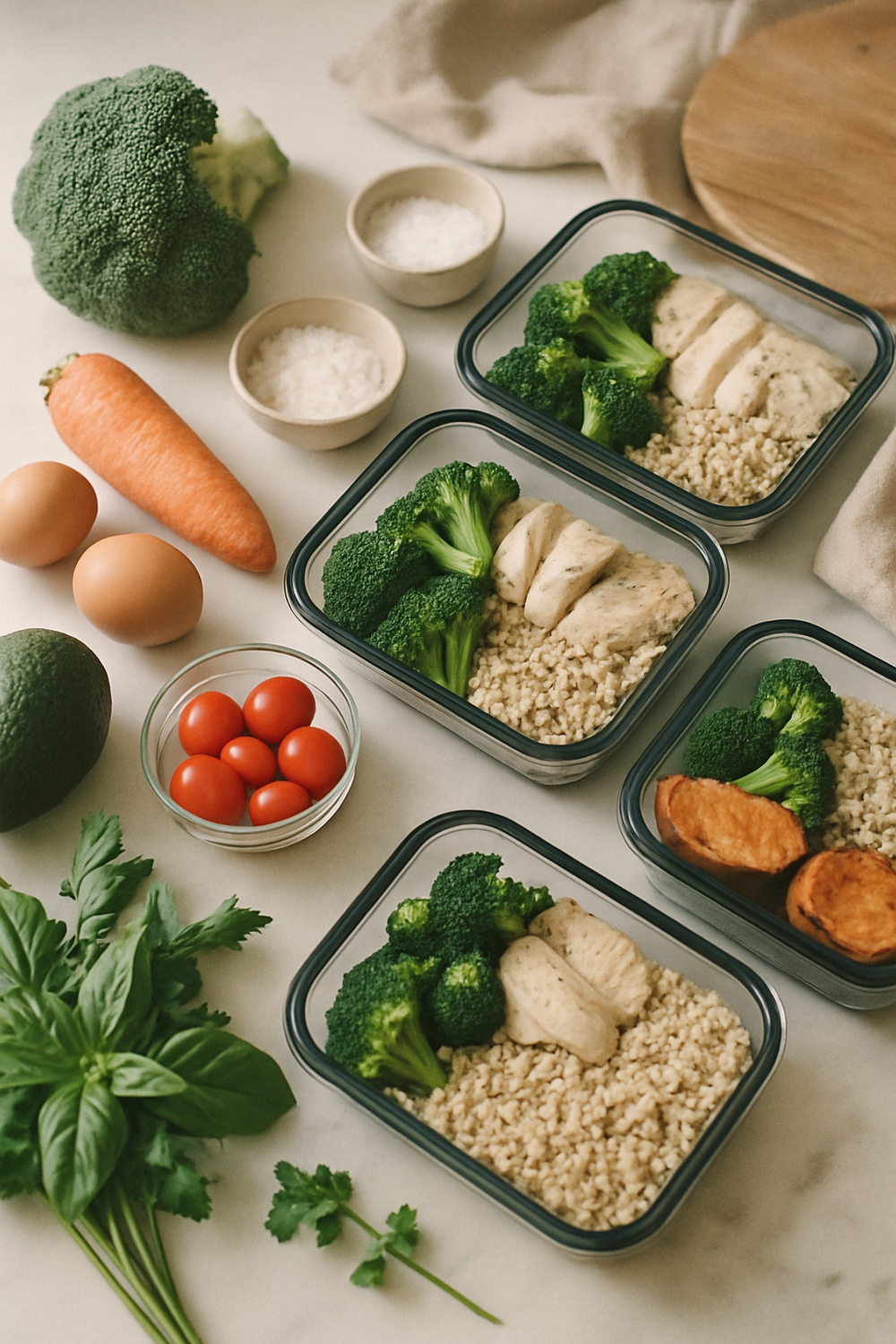
Meal prep wins on decision cost. Every meal you have already cooked is a decision you do not have to make when you are tired, and tiredness is exactly when most eating plans fall apart. If dinner is already in a container, the gap between wanting to eat well and actually eating well shrinks to about ninety seconds. Nothing else in nutrition gives you that kind of leverage for that little effort, and it is the reason prep survives as advice despite how joyless it can look from the outside.
It also wins on scale. Cooking four portions of something takes maybe a third longer than cooking one, not four times as long. Wellbody's meal planning goal puts batch cooking, freezing and portioning in phase 2, Meal Prep Techniques, which runs eight to twelve weeks - long enough for the routine to stop feeling like a weekend project and start feeling like a habit. The people who get the most out of prep tend to have weeks that are busy but predictable: fixed hours, a known number of lunches to cover.
The case for cooking daily
Cooking daily wins on appetite. You eat what you actually want, at the temperature it is meant to be eaten, and you are not negotiating with a container of something you liked on Sunday and resent by Wednesday. That matters more than it sounds. Food you look forward to is food you keep eating, and every prep system that has ever collapsed collapsed for that reason rather than a nutritional one.
It also wins when your schedule genuinely will not sit still. If half your dinners get moved or cancelled, a fridge full of prepped meals turns into waste and mild guilt. Cooking often also builds skill faster, because you repeat the fundamentals more. Phase 3 of the meal planning goal, Advanced Meal Planning Strategies, leans on exactly this - it asks you to develop a list of go-to recipes that need minimal prep time, specifically for the days that refuse to cooperate.
Where the comparison falls apart
The debate treats these as opposites, and almost nobody does either one purely. The person who preps well still cooks fresh a few nights a week. The person who cooks daily still keeps cooked grains, roasted vegetables or a jar of sauce in the fridge, because that is the difference between a weeknight meal taking fifteen minutes and taking forty-five. Once you notice that, the two camps look less like rival philosophies and more like two settings on the same dial. It also explains why the debate never resolves: both sides are describing the same underlying habit and arguing about the packaging. What separates the people who eat well from the people who keep restarting is not which method they picked. It is that they had already answered the question of what Thursday's dinner is before Thursday arrived.
Wellbody builds the system for you.
3 daily actions across fitness, nutrition, mobility, recovery, and mindfulness.


The real variable is not prep versus cooking. It is whether you decided what you were eating before you got hungry. Both approaches work when that decision is already made, and both collapse when it is not.
The system underneath both habits
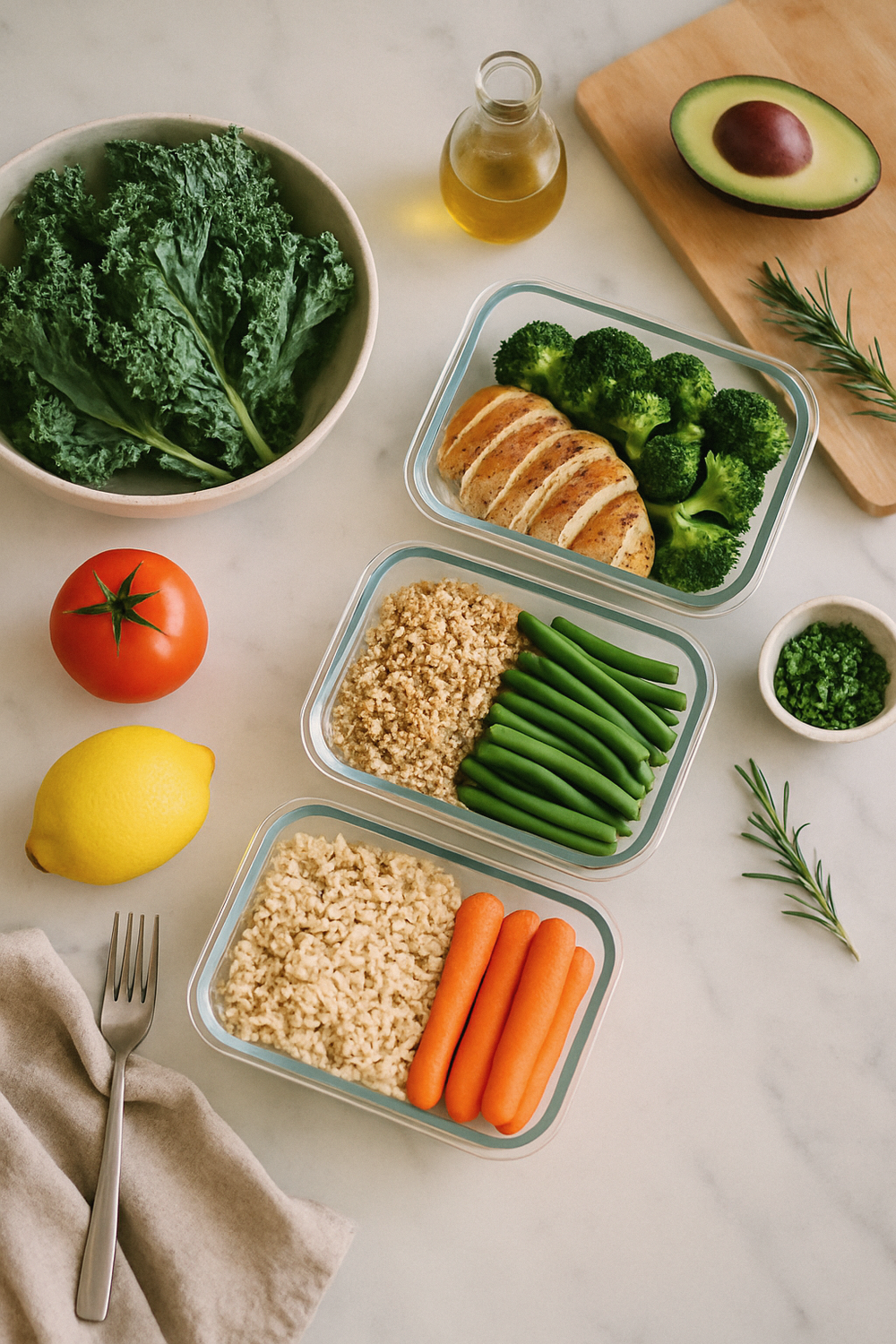
Wellbody's meal planning goal opens with a phase that has nothing to do with either method. Phase 1, Foundation of Meal Planning, runs four to eight weeks and is mostly about building a weekly plan template that fits your real schedule, testing three to five recipes you would happily repeat, and keeping a journal of what you ate and how your energy held up. The prep equipment and the batch cooking only arrive after that groundwork is done.
The order is deliberate. Prep without a plan produces four containers of food you do not want. Cooking daily without a plan produces a seven o'clock supermarket trip. The sample first week keeps those jobs apart: the planning themes sit early in the week, a dedicated meal prep day sits later, and the final day is reflection and adjustment. Whether you batch or cook fresh is a downstream detail of a decision made days earlier.
What this actually means for your week
Look at your next seven days and count how many you can honestly predict. If most of them are fixed, prep is the higher-leverage habit, and one cooking session will cover most of your lunches. If most of them are not, prep components rather than finished meals - cooked grains, a protein, something roasted - and build a short list of meals you can make in twenty minutes from what you keep in stock. Either way, do the deciding on a day when you are not hungry. That is the part that holds up when the week goes sideways.
About Wellbody
Wellbody is a body health app that replaces the stack. Pick one goal and it builds three daily actions across fitness, nutrition, mobility, recovery and mindfulness, then adjusts them around what you actually did. Connected behind the scenes so you don't have to manage the pieces, and it grows with you: month six looks nothing like month one. No dashboards, no re-planning. You just keep showing up.