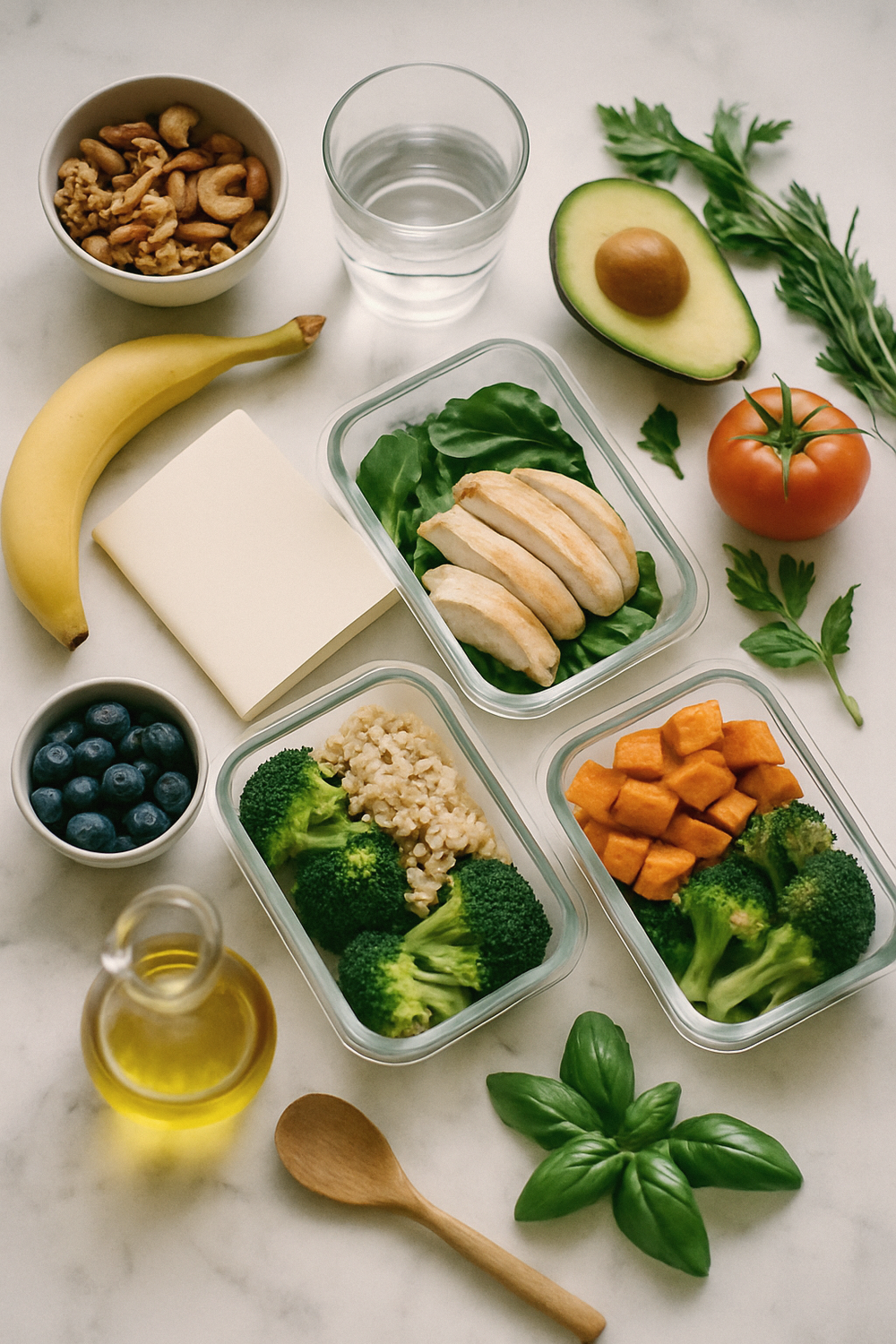
When people ask how to get more energy fast, they are usually describing something specific: the mid-afternoon drop, the flat hour after lunch, the fog that arrives around four o'clock. That is worth separating from general tiredness, because a predictable daily dip is often a food and hydration pattern, and food and hydration patterns respond quickly. Some of what follows you will feel the same day.
The honest framing is that the fast levers are real but small, and the durable change takes about 4 to 8 weeks, which is the length of the opening phase in Wellbody's approach to eating for more energy. Do the quick things first, because they cost almost nothing, and start the slow thing at the same time.
Deal with hydration first, because it is the quickest lever
Hydration is the first place to look, and it appears in the opening phase as a monitored habit rather than a vague suggestion. Mild dehydration shows up as exactly the symptoms people attribute to needing a coffee: reduced focus, low drive, a dull headache in the late afternoon. Thirst is a lagging signal, so by the time you notice it you are already some way behind, and most people spend the working day slightly behind without ever registering it.
Fixing it takes a day, not a month. Drink steadily through the morning rather than in two large corrections, and watch what happens to the four o'clock dip over the next 48 hours. If it softens noticeably, you have learned something useful about your own pattern for free. If it does not, you have ruled out a variable in two days, which is also worth having, and you can move on to the next one rather than adding another glass of water and hoping.
Change the shape of your next meal, not your whole diet
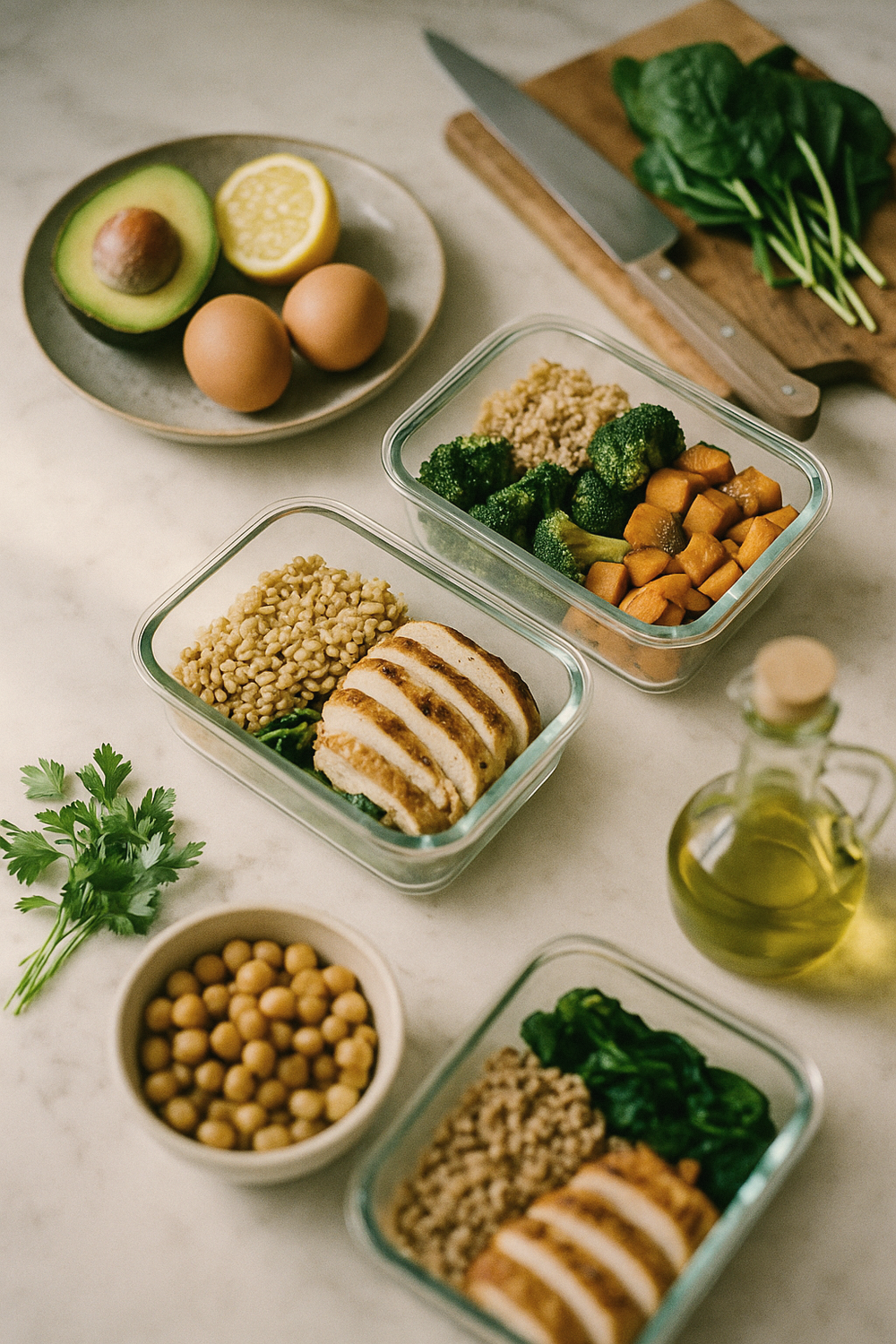
The second phase of this goal is built on meal composition: putting protein, a healthy fat and a complex carbohydrate in the same meal, with attention to where foods sit on the glycemic index. You do not need to wait to apply the principle to lunch today. A meal made almost entirely of quick carbohydrate gives you a sharp rise and a matching fall, and the fall is the flat hour you have been blaming on your workload.
The change is usually smaller than people expect. Add a protein source and something with fibre or fat to the meal you already eat, and the same food delivers its energy over hours instead of minutes. The first day of a Wellbody week for this goal is themed Meal Planning Kickoff and pairs building a balanced plate with the first look at glycemic awareness, precisely because those two ideas do most of the work together.
Move a little after you eat
Post-meal movement sits in the first week as an action in its own right, and light activity to support digestion is one of the cross-pillar dependencies attached to this goal. A short walk after a meal is one of the highest-return-per-minute things in body health, and ten or fifteen minutes is enough. It smooths out the post-meal rise, it gets you daylight, and it interrupts the slide from lunch straight back into a chair. It is also the easiest of these to arrange, because it needs no planning, no purchase and no change to what you eat. If you take one thing from this list and do it today, take this one.
Wellbody builds the system for you.
3 daily actions across fitness, nutrition, mobility, recovery, and mindfulness.


Hydration, meal shape and a short walk after eating are all same-day changes. What takes weeks is not the fixing. It is finding out which of them your own energy actually responds to.
Write down what you ate and how you felt three hours later
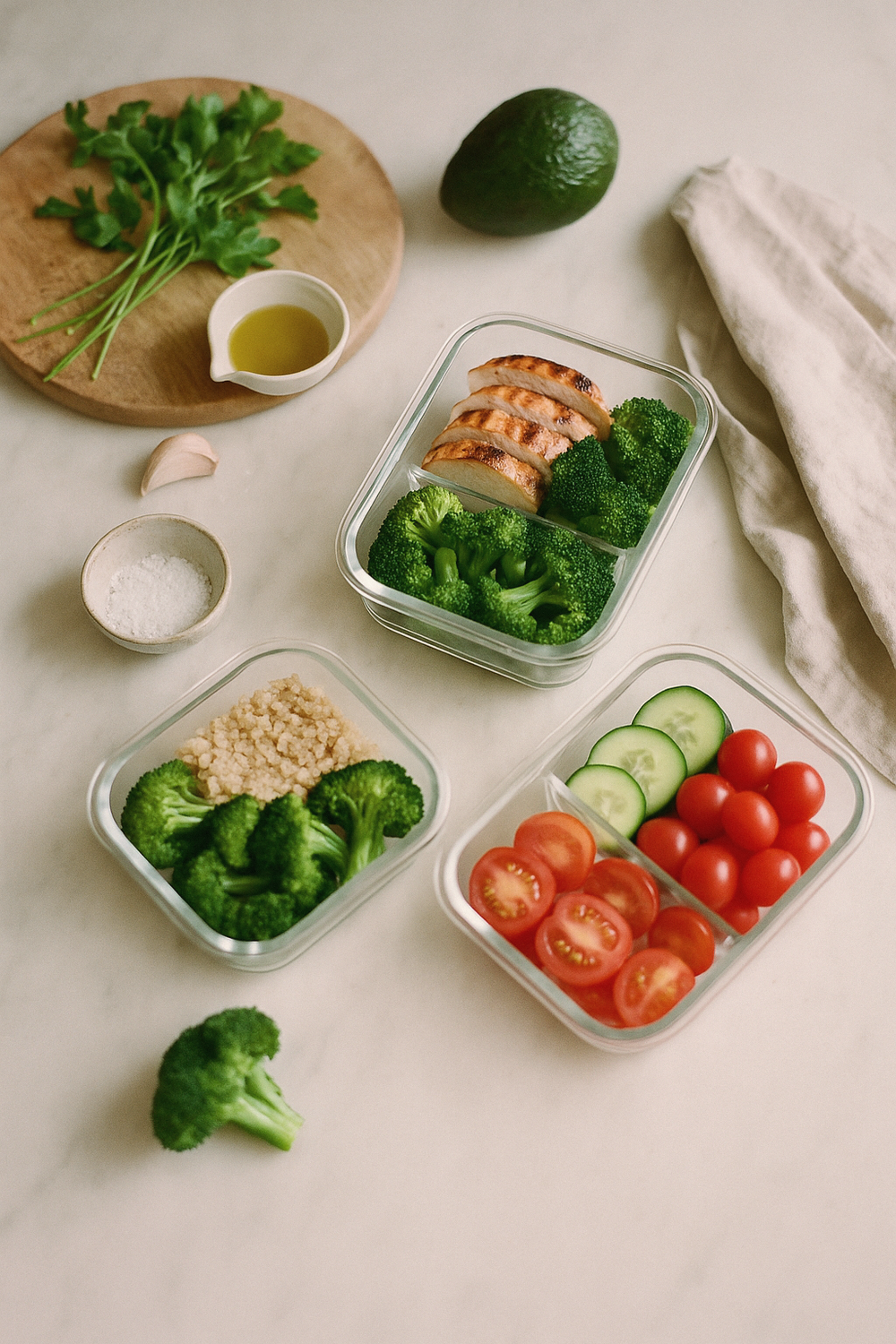
This is the slow lever, and it is the one that makes the others permanent. The food journal in the first phase logs two columns: what you ate, and how your energy was afterwards. Not calories. The pairing is the whole point, because the connection between a specific meal and the state you were in a few hours later is invisible in the moment and obvious on paper. Week one carries this through with a mood check, a reflection day midweek, and a review of the diary at the end. Two weeks of notes usually identifies your two or three reliable culprits. They are also rarely exotic. It tends to be the breakfast that is mostly sugar, the lunch eaten at a desk in six minutes, or the coffee at three o'clock that borrows energy from the evening.
What changes fast, and what genuinely takes longer
So the realistic split. Hydration, meal shape and a post-meal walk can change how your afternoon feels within a day or two. Consistent, predictable energy across a whole week takes the 4 to 8 weeks of the first phase to establish, and becomes stable in the second phase over 8 to 12 weeks once balanced meals are habitual rather than deliberate. Sleep sits underneath all of it at 7 to 8 hours, and it appears in the very first week as an action for good reason: no amount of dietary care compensates for being short of sleep.
One caveat worth stating plainly. Persistent exhaustion that does not respond to better food, water, movement and sleep is a reason to see a doctor rather than to try harder. Plenty of medical causes of fatigue look exactly like a nutrition problem from the inside. But if your energy has a shape to it, dropping at the same time each day, start with the fast levers today and let the journal tell you what to change next.
About Wellbody
Wellbody is a body health app that replaces the stack. Pick one goal and it builds three daily actions across fitness, nutrition, mobility, recovery and mindfulness, then adjusts them around what you actually did. Connected behind the scenes so you don't have to manage the pieces, and it grows with you: month six looks nothing like month one. No dashboards, no re-planning. You just keep showing up.