
Home workout routines usually fail in the same place: the plan assumes you will find 45 uninterrupted minutes, and your house does not produce 45 uninterrupted minutes. So the routine works for eleven days, then a bad week arrives, and the mat stays rolled up. The equipment was never the missing piece, and neither was discipline. The plan was sized for a life you do not have.
The version that survives is built the other way round: find the short windows your day already contains, and put movement in those. Wellbody's approach to time-efficient short workouts opens with 4 to 8 weeks of exactly that, and the first task is not exercise at all. It is finding the slots. Here is how to build it in order.
Start with the time you already have, not the time you wish you had
The first key activity of the opening phase is to identify and write down the 5 to 10 minute windows that exist in your day. Not the ones you could theoretically create by waking up earlier, but the ones already sitting there: the gap after the school run, the ten minutes while something is in the oven, the stretch between the last meeting and dinner. Most people find three or four and are mildly annoyed at how obvious they were.
Writing them down matters more than it sounds. A slot you have named is a slot you can plan against; an unnamed one gets filled by your phone. This is also the honest answer to whether short sessions do anything: they work through accumulation, and accumulation depends on frequency, which is the single thing short sessions make easy and long ones make hard.
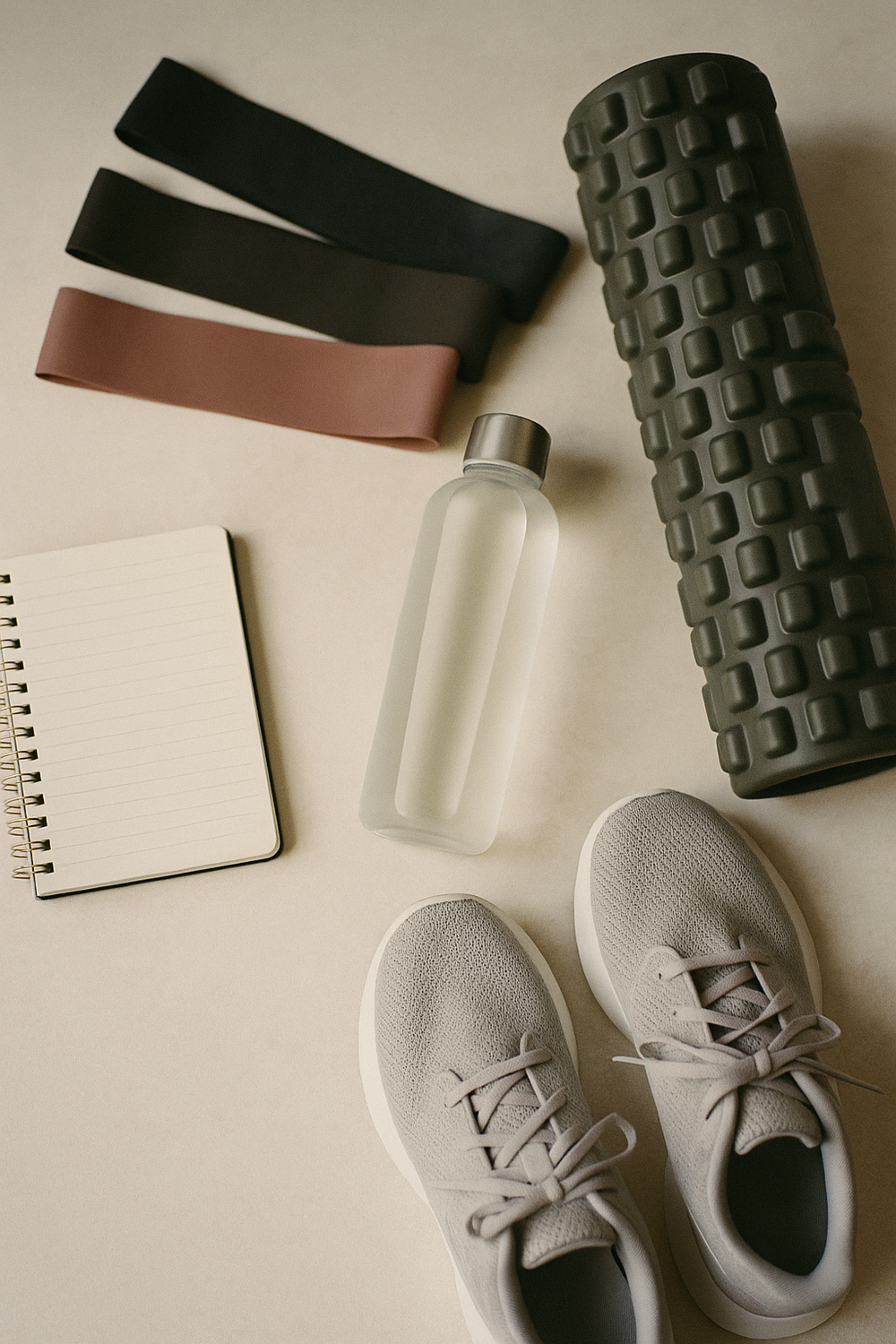
Set up one space so starting costs no decisions
The first day of a Wellbody week for this goal is themed Kickoff to Movement, and one of its three actions is simply setting up your space. That is deliberate. If a five minute session requires you to move a coffee table, find shoes and clear a rug, the setup now costs longer than the workout, and your brain will correctly identify that as a bad deal. One corner, left ready, removes the entire negotiation.
The space does not need equipment. The early phases are built around bodyweight work precisely so it fits wherever the window happens to fall. Equipment appears later, in the third phase, once you are personalising routines and have months of consistency behind you. Buying it first is a common and expensive way to delay starting, and a rack of unused kit in a spare room becomes a daily reminder of a plan you abandoned rather than a prompt to train.
Pick movements you do not mind doing, then aim for three a week
Two of the remaining first-phase activities are building a short list of effective movements and then experimenting to find which of them you actually enjoy. Enjoyment is treated as a design requirement here rather than a bonus, because a home routine has no gym membership, no commute and no coach holding it in place. Preference is the only structural support it gets. The frequency target for this phase is modest on purpose: at least three short sessions a week. Three is a number you can hit in a bad week, which means the habit survives bad weeks, which is the only reason any of this compounds. Aiming for seven and managing two feels like failing; aiming for three and managing four feels like it is working, and the movement done is identical.
Wellbody builds the system for you.
3 daily actions across fitness, nutrition, mobility, recovery, and mindfulness.


A home routine has no external structure holding it up, so whether you enjoy the movements is not a nice-to-have. It is the load-bearing part.

Give the week a shape, then add variety
A first week is not seven workouts. The focus is establishing the routine alongside mindfulness practice, and the days are themed accordingly: a planning and setup day, a Nourish and Recover day, then two clearly marked workout days with midweek motivation between them, before reflection and planning for the week ahead. Two or three real sessions with recovery, food and mindful moments filling the rest. That is the whole week, and it is a much smaller ask than most home plans make. Structure and variety come next: the second phase runs 8 to 12 weeks, builds a proper weekly schedule with different movements each session, introduces interval work to get more out of short blocks, and pushes toward five sessions a week.
What happens once training at home is just normal
Around the end of the first 4 to 8 weeks, the sessions stop being events. You are not scheduling them so much as noticing a window and using it, and the short stretch and breathing actions that bookend them have folded into the same habit. From there the third phase, over 3 to 6 months, refines the routines toward specific areas and adds equipment if you want it. The fourth phase does the most useful thing of all: it builds a plan designed to flex with your schedule and energy rather than assuming you can defend the same slot every day.
That last part is what separates a home routine that lasts from one that merely started well. Unpredictable weeks are not a failure state to be absorbed by willpower; they are the normal operating condition, and the plan should expect them. Build around the windows you have, keep one corner ready, pick movements you do not dread, and the routine stops depending on the week going to plan.
About Wellbody
Wellbody is a body health app that replaces the stack. Pick one goal and it builds three daily actions across fitness, nutrition, mobility, recovery and mindfulness, then adjusts them around what you actually did. Connected behind the scenes so you don't have to manage the pieces, and it grows with you: month six looks nothing like month one. No dashboards, no re-planning. You just keep showing up.