
Habit trackers are the most downloaded and most abandoned category in personal health. The pitch is simple and appealing: define the habit, tick it off daily, watch the chain grow, become a different person. Plenty of people have a screenshot of a 40 day streak from a habit they no longer have.
Wellbody uses daily actions and tracking too, so this is not an argument against the idea. It is an argument about what tracking is for. Building sustainable healthy habits around food is a five-phase project spanning roughly 15 to 24 months, and a checkbox is genuinely useful in some of those phases and almost useless in others.
What habit trackers genuinely do well
The first thing they do well is remembering. Most missed habits are not acts of rebellion, they are simply forgotten on a busy Thursday. A tracker moves the habit from your head into something external, which is a real and underrated service. It also removes the ambiguity of self-assessment, because you cannot tell yourself you have been eating well most days when there is a record showing otherwise.
The second is that they produce a record, which is exactly what the early work in this goal depends on. The first phase runs four to eight weeks and is deliberately observational: keep a food diary, notice what you actually eat, and note the emotional triggers attached to meals. You are not supposed to be fixing anything yet. A tracker paired with a short note is a reasonable tool for that job, because the job is genuinely just noticing.
They are also honest about scale in a way memory is not. Four weeks of ticks looks like very little when you are hoping for a transformation, and that is accurate information. This goal runs across five phases and something like 15 to 24 months, and seeing a small but real record of the first month is a better calibration than the feeling that nothing is happening.
Why the checkbox is not the change
Here is the structural problem. A tracker measures compliance, not capability. You can tick eat healthier for three weeks and still not be able to put a decent meal together on a weeknight, because those are different things. The second phase of this goal spends 8 to 12 weeks on skills: meal prep sessions, basic techniques like chopping, roasting and steaming, and building a balanced plan. Skills do not fit in a checkbox. They only show up when the week goes wrong and you cope anyway.
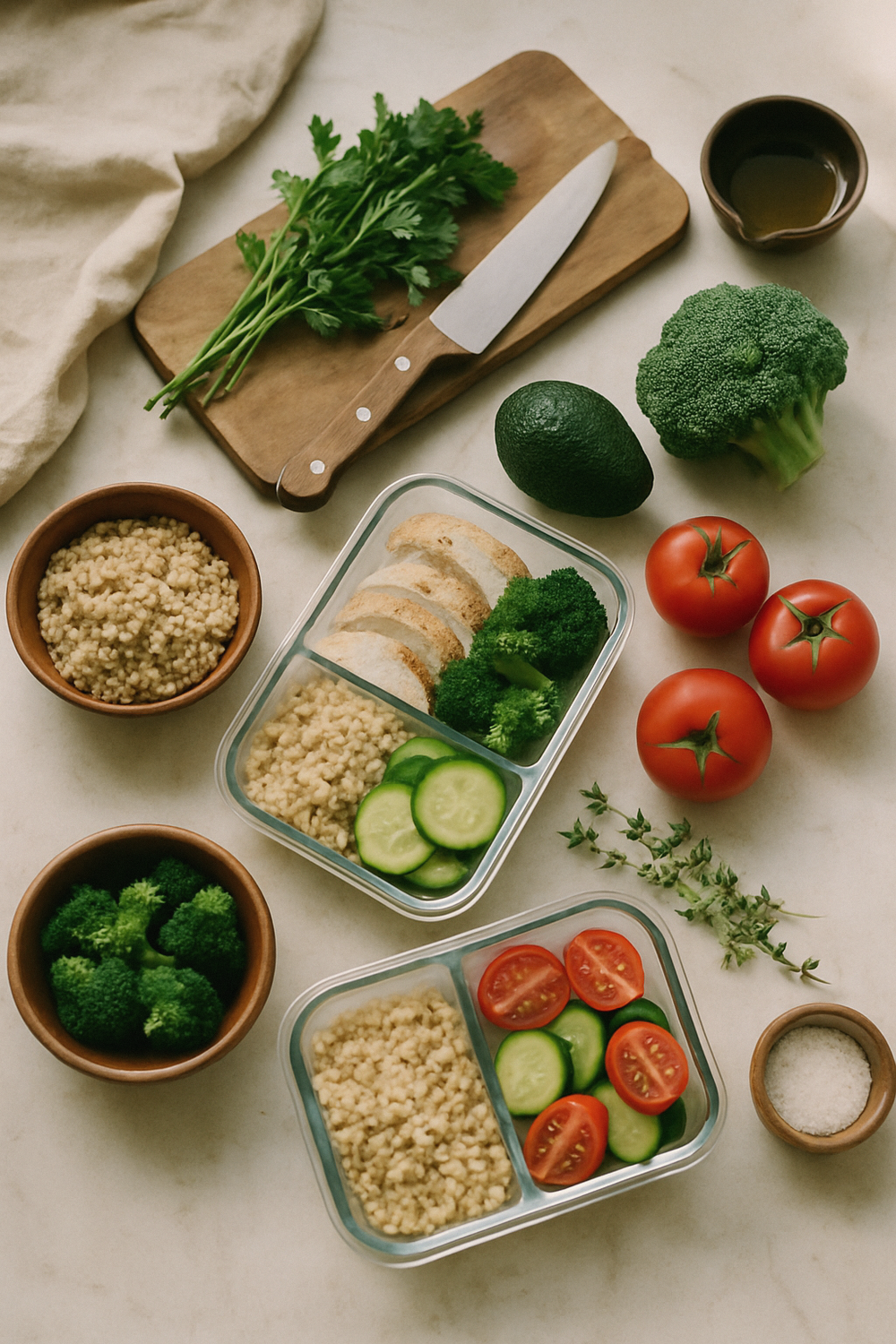
The first sample week makes this concrete. It is called Establishing Meal Prep Foundations, and the days run through planning your meals, building a shopping list, finalising the plan, shopping, preparing your space, cooking, then reflecting and adjusting. Only one of those seven days is the thing a habit tracker would call the habit. The other six are the scaffolding that makes it possible, and a tracker with one daily box does not see any of them.
A habit tracker records whether you did the thing. It cannot tell you why you did not, and the why is the only part that changes next week.
Wellbody builds the system for you.
3 daily actions across fitness, nutrition, mobility, recovery, and mindfulness.


Where habit-tracking apps fall short
Streaks are the most obvious failure. A long chain feels great right up until you break it, at which point the app hands you a reason to quit at the exact moment you needed a reason to continue. Real habit building has bad weeks in it. The third phase of this goal runs three to six months on routine establishment precisely because it takes that long, and nobody gets three to six months without missing days. A system that only works when you are perfect is not a system, it is a run of good luck with a counter attached.
The subtler problem is that most trackers have no sense of sequence. Every habit on the list looks equally urgent forever, whether it is week one or month nine. This goal moves deliberately from awareness, to skills, to routine, to personalising it, and a flat daily checklist flattens all of that into the same demand every single day. The other blind spot is context: the notes for this goal point at seven to eight hours of sleep, keeping a positive frame about the changes, and some light activity, because those are what make the food habits achievable. A tracker sees the missed box and not the four hours of sleep behind it.
The verdict
Habit-tracking apps work as memory aids and as raw material for review. They do not work as the mechanism of change, and most of the disappointment in this category comes from expecting the second thing while buying the first. Used well, that means tracking two or three things rather than twelve, writing a line about the day rather than only ticking, and treating a missed day as information instead of a broken chain.
The part that actually makes the difference is the one most apps skip. The third phase of this goal builds in a weekly reflection on what worked and what needs adjusting, and the sample week ends on a day themed around reflection and adjustment for the same reason. That review is where the data becomes a decision, and a decision is the only thing that changes what next week looks like. If your tracker only ever shows you a grid and never prompts you to read it back, it is a slightly nicer to-do list. Worth having, and worth far less than the ten minutes a week you spend looking honestly at what it recorded.
About Wellbody
Wellbody is a body health app that replaces the stack. Pick one goal and it builds three daily actions across fitness, nutrition, mobility, recovery and mindfulness, then adjusts them around what you actually did. Connected behind the scenes so you don't have to manage the pieces, and it grows with you: month six looks nothing like month one. No dashboards, no re-planning. You just keep showing up.