
The recovery category got quietly taken over by hardware companies. WHOOP, Oura, Garmin - the conversation shifted from what you do to what you wear. Which is strange, because the actual levers of recovery - sleep hygiene, hydration, active rest, stress management - do not require a sensor. They require consistency.
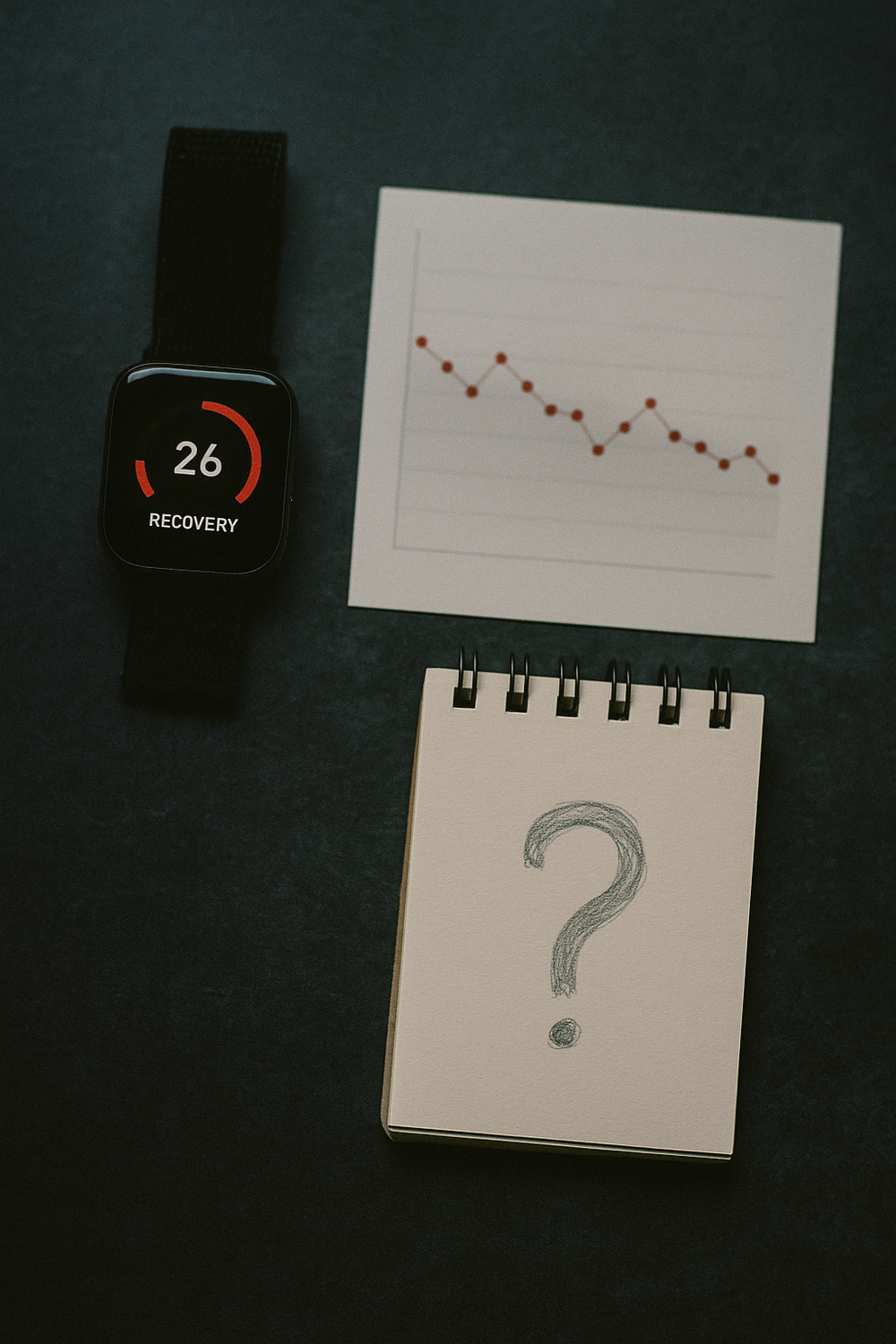
If you have ever looked at a red HRV score at 7am and felt immediately worse about your day, you already know the problem. Measurement without action is just anxiety with a dashboard. This comparison looks at the most popular recovery options on the market and asks a simple question: does it actually help you build the habits that improve recovery, or does it just tell you how poorly you recovered?
What recovery actually requires
Recovery is not a biometric score. It is a set of background conditions - sleep quality, hydration, nutrient timing, low-intensity movement, and stress load - that either support your body's ability to adapt or quietly undermine it. The research is not complicated: consistently manage those levers and your recovery improves. Let them slide and no wearable on earth will fix the gap.
The question worth asking before spending money on any recovery tool is not 'does it track well?' It is 'does it build habits?' Measurement is only useful if it leads to behaviour change. Hardware tells you what happened. Habits change what happens next.
WHOOP
WHOOP is excellent at what it does. The 24/7 HRV tracking, sleep stage breakdown, strain scores, and recovery readiness data are genuinely detailed - and at $199 to $359 per year (hardware included in the subscription), it is not cheap. If you want the most comprehensive physiological data available without going to a lab, WHOOP is a serious option.
The gap is on the other side of the data. WHOOP tells you what is wrong. It does not tell you what to do. A red recovery number is informative, but it does not build a sleep hygiene habit or remind you to move your body gently on a high-stress day. People who get the most from WHOOP already have strong body health habits and use the data to fine-tune. If you are still building those habits, the data mostly gives you something to feel anxious about.
Oura Ring
Oura's readiness score, sleep tracking, and HRV data are excellent - and the ring form factor is genuinely less intrusive than a watch band. But at $299 or more for the hardware plus an optional $5.99 per month for premium features, you are making a significant upfront investment before you have built a single new habit.
The criticism is the same as WHOOP: beautiful data, no action plan. Knowing your sleep efficiency was 74% and your HRV dipped because you had wine with dinner is useful context. What Oura does not do is walk you through what to change on Tuesday morning. The insight lives in the app. The actual recovery happens in your behaviour. There is nothing in Oura that bridges the two.
Fabulous
Wellbody builds the system for you.
3 daily actions across fitness, nutrition, mobility, recovery, and mindfulness.


Fabulous is the closest thing on this list to what a recovery habit app should look like. It builds small sustainable behaviours - hydration reminders, stretching prompts, screen break nudges - through daily routines and gentle accountability. There is no hardware. There is no biometric data. Just habits, which is the right instinct.
The problem is that the routines do not evolve. Month six of Fabulous looks a lot like month one. If you are building a morning routine from scratch, that is fine. But recovery as a whole-body system has phases - the habits you need when you are just starting out are different from the ones that make sense once you have a baseline. Fabulous does not have a progression structure, which means it gets you started but does not take you anywhere new.
The shared flaw across all three: they are either measuring the problem or building habits that stay the same. None of them connect the data to an evolving action plan that grows with you.
What Wellbody does differently
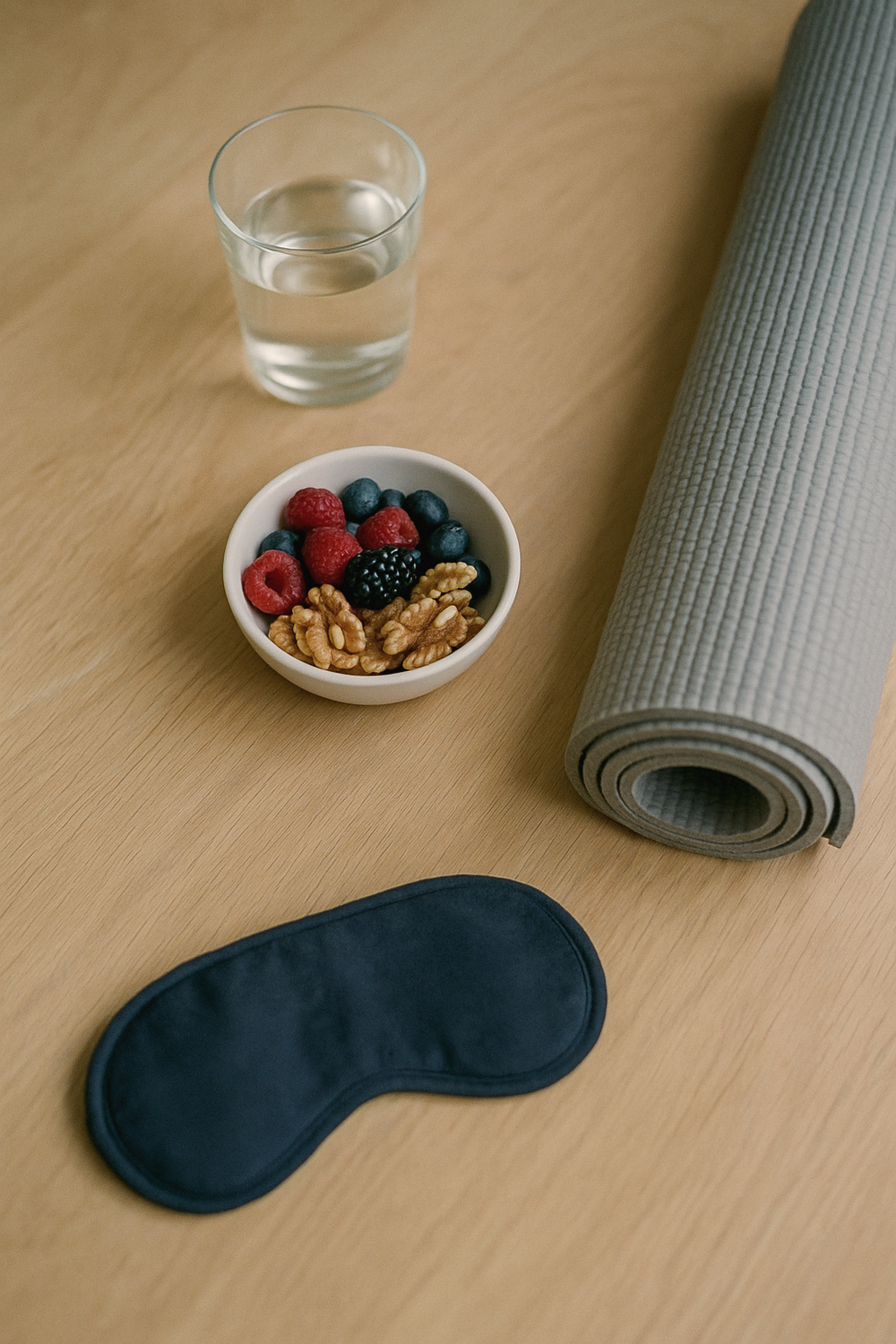
Wellbody is a body health app built around three daily actions tied to one goal. For recovery, that means actions across all four pillars that actually drive it - sleep hygiene and active recovery on the fitness and recovery side, hydration and nutrient timing on the nutrition side, and stress reduction on the mindfulness side. Not because recovery is a complicated topic, but because it is a whole-body one. Siloing it to sleep data or morning stretches misses most of how it actually works.
The structural difference is progression. Wellbody's recovery goal moves through four phases - from building a recovery baseline in Phase 1 over the first four to eight weeks through to advanced recovery techniques in Phase 4. The plan adjusts around what you actually did that day. No hardware required at any phase, no subscription to a device, no red number waiting for you when you wake up. Just a plan that is alive, and habits that compound over time rather than plateauing at month one.
About Wellbody
Wellbody is a body health app that replaces the stack. Pick one goal and it builds three daily actions across fitness, nutrition, mobility, recovery and mindfulness, then adjusts them around what you actually did. Connected behind the scenes so you don't have to manage the pieces, and it grows with you: month six looks nothing like month one. No dashboards, no re-planning. You just keep showing up.